7 Things to Know About Jamaica Blue Mountain Coffee in 2026
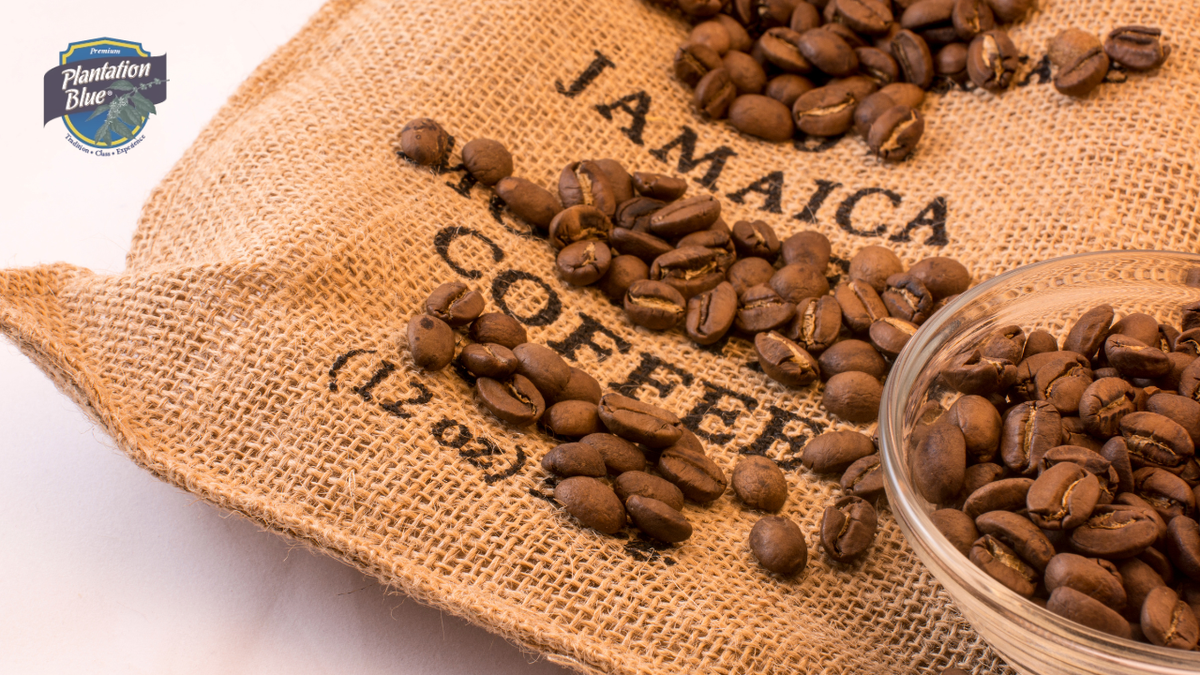
Some coffees vanish from your mind the second you put down the cup. Others sit with you. Jamaica Blue Mountain coffee beans fit into that second camp, mostly because they hit a rare balance between flavor, body, and smoothness. Everything from the mountain growing conditions to how you pour your water in the morning plays a role in what ends up in your mug.
If you are buying specialty beans in 2026, understanding how these details tie together makes choosing your next bag much simpler.
1. What Makes Jamaica’s Blue Mountain Region Significant?
Where a bean grows isn't just a detail for the back of the bag. It's the blueprint for how it tastes.
The Blue Mountain stretch in eastern Jamaica sits in a unique weather pocket: extreme slopes, dense fog, steady rainfall, and volcanic ground. That cool mountain fog keeps the sun from rushing the crop. Because the cherries stay on the branch longer, they have more time to mature before harvest.
2. How Does Elevation Influence Coffee?
Higher ground usually means colder air. Cold air slows down fruit growth.
When cherries ripen at a crawl, they develop density. That extra density is one reason these coffees are often described as sweet, balanced, and full of flavor. Farming skill matters a lot, but high elevation builds the foundation.
3. What Happens Between Harvest, Processing, and Roasting?
Picking cherries is just the beginning. From there, workers wash, sun-dry, sort, and rest the beans long before any roasting starts.
Every stage needs careful attention because small handling mistakes can affect the final cup. Before roasting ever begins, the beans are dried, sorted, and left to rest. It's a slower process, but one that helps maintain the coffee's natural character.
4. What Defines Its Flavor Profile?
If bold, bitter coffee isn't your preference, Jamaica Blue Mountain coffee beans are often appreciated for their smooth, balanced character.
While every roast is a little different, you'll often come across notes like:
- Smooth cocoa and milk chocolate
- Roasted hazelnut or almond notes
- Hints of soft fruit sweetness
- A clean finish with almost zero bitterness
These tasting notes aren't added oils or flavorings—they are natural characteristics created by healthy soil and careful roasting.
5. Why Does the Roast Matter?
Roasting turns hard, green seeds into brittle brown beans full of aroma. How dark the roaster takes the batch changes what you taste.
Lighter roasts hold onto delicate sweetness and floral scents. Darker roasts swap those subtle details for heavier, smoky chocolate flavors. Since Blue Mountain beans are known for their balanced profile, many roasters choose a moderate roast to let their natural character come through.
6. Can Brewing Change What You Experience?
Definitely. How you run hot water through the grounds dictates what gets extracted.
Pour-Over: Gives you maximum clarity, highlighting sweet notes and keeping the finish crisp.
French Press: Traps natural oils, creating a heavier, coat-your-spoon body.
Drip Machine: Works fine for an easy, balanced morning cup when you are in a rush.
Grind your whole beans right before you brew, use clean filtered water, and keep your proportions standard.
7. What Should You Look for When Buying Coffee in 2026?
Skip the fancy artwork on the bag and look for raw details instead when shopping for Jamaica Blue Mountain coffee beans:
Real Origin Proof: Look for official certification marks confirming 100% origin so you don't end up with a diluted blend.
Roast Date: Look for a clearly marked roast date or best by stamp. This gives you an idea of freshness.
Whole Bean: Get whole beans whenever possible. Ground coffee starts losing flavor minutes after it's crushed.
Valve Packaging: Make sure the bag has a one-way valve to keep oxygen out.
A Better Morning Cup
Getting into specialty coffee in 2026 is really about knowing what goes on behind the scenes. Jamaica Blue Mountain coffee beans combine high elevation, misty weather, and careful hand-sorting into one smooth cup. At Plantation Blue, that entire process is treated with respect so you get a clean, rich brew every time you press start on your morning setup.
FAQs
1. What does Jamaica Blue Mountain coffee taste like?
Jamaica Blue Mountain coffee beans yield a remarkably smooth, low-bitterness cup. You will usually pick up notes of mild cocoa, toasted nuts, soft fruit, and a clean finish.
2. Why is Jamaica Blue Mountain coffee different?
It comes down to where it grows. The combination of misty high-altitude slopes, volcanic earth, and slow growth creates growing conditions that contribute to the coffee's distinctive character.
3. What is the best way to brew Jamaica Blue Mountain coffee?
Pour-over, French press, and good drip makers all work well. Pour-over offers the cleanest flavor profile, while French press gives you a heavier texture.
4. How should Jamaica Blue Mountain coffee be stored?
Store whole beans in an airtight container in a cool, dark pantry. It's best to avoid the fridge or freezer, as moisture and food odors can affect their flavor over time.