8 Things That Set Jamaica Mountain Coffee Apart From Everyday Coffee
Ever notice how some coffee just feels different? That quality gap isn't random. Jamaica Mountain Coffee stands out because of a very specific chain of events: growing conditions, cultivation practices, processing methods, and roasting choices.
Look past the mug for a moment.
The real story is the sheer amount of agricultural work happening long before hot water ever touches the grounds.
Knowing where your beans come from makes your daily brew much more rewarding. At Plantation Blue, the goal is simple: help coffee lovers connect their morning cup to the actual craft behind specialty beans, right down to the farm level.
1. The Mountain Environment Shapes the Coffee’s Character
Coffee naturally takes on the traits of where it grows.
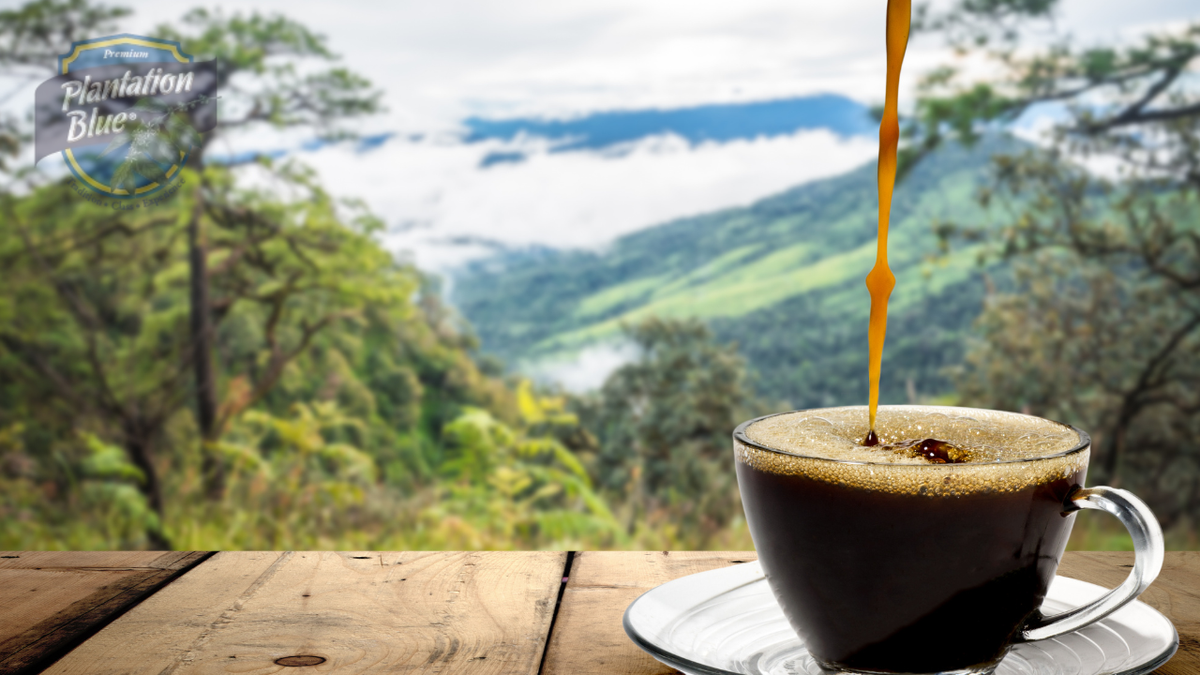
Up in high mountain ranges, cool temperatures slow down how fast coffee cherries ripen on the branch. These conditions can influence how coffee cherries develop and contribute to the characteristics found in the beans.
Terrain isn't just scenery. It can influence the characteristics experienced in the final cup. Exploring Jamaica Mountain Coffee starts with understanding how elevation and growing conditions can influence the characteristics of each harvest.
2. Every Cup Reflects Decisions Made Long Before Roasting
A standout cup is really the end result of good choices made months in advance.
Cultivation: Farmers tend traditional Arabica varieties suited specifically for high elevations.
Harvesting: Coffee cherries may be carefully selected and harvested as part of quality-focused cultivation practices.
Processing: The fruit pulp is washed away promptly to protect clean seed flavors.
Drying & Grading: Beans are sun-dried on open concrete patios and then manually sorted by size and grade.
Each of these steps can influence the characteristics experienced in the final cup.
3. The Bean’s Origin Influences the Flavor Profile
Origin is almost always the first detail serious coffee drinkers check.
Soil composition, local weather patterns, and regional processing traditions give beans from a specific valley their own clear identity. You can actually taste where the crop was cultivated.
Sampling Jamaica Mountain Coffee gives you a front-row look at how a single origin controls aroma, acidity, and overall balance. The land speaks directly through the cup.
4. Quality Focuses on Balance Rather Than Sheer Strength
Darkness does not equal quality.
Specialty coffee often focuses on highlighting balance, aroma, and distinct characteristics rather than only intensity.
Aroma: Sweet, floral, or subtle nutty scents released during grinding.
Smoothness: A clean, gentle feel across your palate.
Acidity: Mild, sweet brightness rather than sharp sourness.
Body & Finish: A comfortable weight on the tongue followed by a refined, lingering aftertaste.
Shifting focus from a quick morning caffeine hit to enjoying these subtle layers is why people get drawn to specialty coffee in the first place.
5. Small Production Details Influence the Final Brew
Behind-the-scenes attention to detail makes or breaks consistency.
Selective picking, clean washing tanks, and proper storage keep a great crop from losing its natural qualities before leaving the island. At Plantation Blue, the focus goes well beyond providing coffee. It centers on highlighting the origin, farm care, and processing choices that contribute to the story and appreciation of Jamaican coffee.
When you understand what happens at the farm level, you view your morning routine a little differently.
6. Proper Freshness Preserves the Bean’s Natural Qualities
The work is not over once the roasting finishes.
Roasted coffee is sensitive to its environment. Oxygen, light, heat, and humidity work fast to break down the natural oils responsible for flavor and aroma.
Protecting your supply at home comes down to a few basic habits. Store whole beans in an airtight container inside a cool, dark pantry. Keep bags clear of warm appliances or bright windows, and grind only what you need right before you brew. Choosing bag sizes that match your two-to-four-week consumption keeps everything tasting exactly as intended.
7. The Brewing Method Adjusts How Flavors Are Discovered
The exact same bean yields a completely different experience depending on how you prepare it.
Pour-over setups bring out high clarity and delicate floral notes. Toss those same grounds into a French press, and the mesh filter lets natural oils through for a heavier, richer mouthfeel. Espresso uses precise pressure to pull a short, concentrated shot, while a standard drip machine offers convenient daily extraction.
Changing your brew style does not alter where the bean was grown, but it definitely changes how those flavors hit your palate.
8. Specialty Coffee Elevates a Daily Routine
For many people, morning coffee is just functional fuel to start the day.
Specialty coffee offers a different perspective. It turns a standard habit into a moment to pause, savor refined flavor, and respect the agriculture behind the harvest. Learning about origin and processing creates a direct line between your kitchen counter and the farm where the crop grew.
The Journey Behind Jamaica Mountain Coffee
The distinction found in speciality coffee comes down to dozens of small factors working together. Elevation, farming habits, washing methods, fresh roasting, and brewing choices all connect.
For anyone exploring Jamaica Mountain Coffee, grasping those steps brings a deeper respect for the final product. Plantation Blue remains dedicated to highlighting the heritage, care, and origin details that make Jamaican coffee a remarkable experience from the first aroma to the last sip.